Senior 2026 Football Design: A Practical Embroidery Review
As an embroidery designer who spends more time staring at stitch simulations than I do sleeping, I have learned to look past the flashy preview images. What matters is how a design behaves under the needle. When I first pulled up the Senior 2026 Football Design, my immediate thought was not about how it looked on a screen, but how it would hold up on a heavy cotton sweatshirt or a structured cap. This is not just another generic sports graphic; it is a specific commemorative piece for the graduating class of 2026, and that context changes everything about how we should approach it.
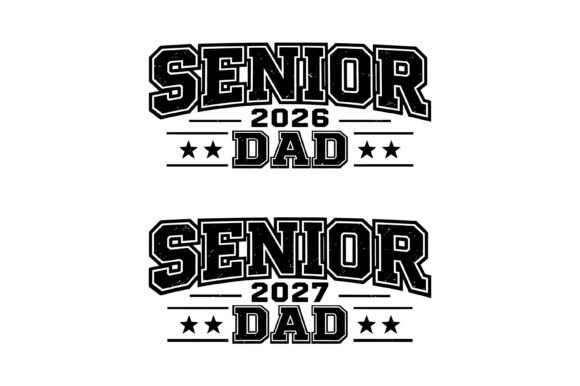
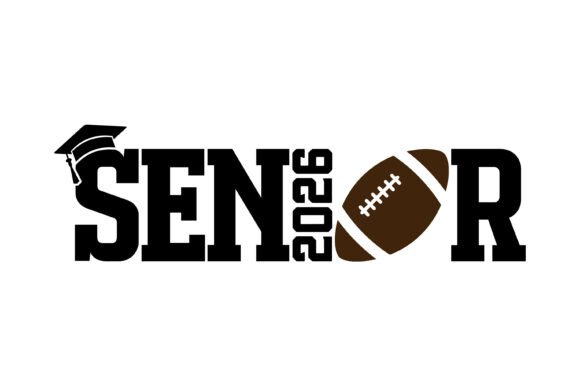
The design centers on the classic themes of school spirit, athletic pride, and milestone celebration. Visually, it balances the boldness required for sports apparel with the sentimental weight of a graduation year. For those of us running small shops or selling on Etsy, this distinction is crucial. We are not just selling a football image; we are selling a memory. The layout typically features strong, legible typography for the year "2026" paired with iconic football imagery, such as the ball, helmet, or player silhouettes. This combination creates a visual hierarchy that guides the eye, ensuring the message is clear even from a distance.
Real-World Application: The Custom Sweatshirt Test
To truly evaluate this machine embroidery design, I imagined a common scenario: a parent ordering a custom hoodie for their senior athlete. The fabric is a mid-weight fleece, which is forgiving but can be tricky if the stitch density is too high. In my mental simulation, I placed the design on the left chest. Here, the scale matters immensely. If the text is too small, the satin stitches may merge, turning letters into unreadable blobs. If the design is too large, it becomes stiff and uncomfortable against the skin.
The Senior 2026 Football Design appears to strike a balance suitable for standard hoop sizes, likely fitting comfortably within a 5x7 or 6x10 hoop depending on the specific variation. For a sweatshirt, I would recommend using a cut-away stabilizer to support the weight of the stitches without adding excessive bulk. The result should be a crisp, professional-looking emblem that withstands the rigors of a high school senior’s final year. This is where the quality of the embroidery file shines. A well-digitized file will use appropriate underlay stitches to anchor the design, preventing puckering on stretchy fabrics.
Versatility Across Product Lines
Beyond apparel, this design has significant potential in other product categories. Consider a canvas tote bag design. Canvas is a stable fabric that handles dense stitching well, making it an ideal candidate for larger versions of this graphic. A tote bag featuring the Senior 2026 Football Design could serve as a practical gift for carrying gear, books, or laundry. The contrast between the thread colors and the natural canvas tone can create a rustic, handmade aesthetic that appeals to buyers looking for unique, non-mass-produced items.
For those interested in creating an embroidered patch, this design is equally viable. Patches allow for higher stitch density because they are stabilized by a backing material before being applied to the garment. This means you can push the detail level further, perhaps adding subtle shading to the football or texture to the lettering. However, you must check the edge finishing. A clean satin stitch border is essential for a professional patch that does not fray after washing.
Even in the realm of T-Shirt Designs and general Graphics, this asset holds value. While primarily intended for embroidery, the included formats—SVG, PDF, JPEG, PNG Transparent, and EPS—suggest versatility. You might use the PNG for a printable mockup to show clients how the design looks before stitching, or use the SVG for heat transfer vinyl applications if a customer prefers a flat print over textured embroidery. This multi-format availability makes it a valuable addition to your design assets library.
Navigating Technical Challenges
No design is without its challenges, and honesty is key when managing customer expectations. One area where the Senior 2026 Football Design requires caution is on dark fabrics. If the design relies on light thread colors for contrast, you must ensure there is sufficient coverage. Thin areas or running stitches may allow the dark fabric to show through, diminishing the visual impact. In such cases, using a topping or selecting threads with higher sheen and opacity can help.
Another consideration is curved surfaces, such as caps. Embroidering on a cap requires a different approach than flat garments. The design must be centered perfectly, and the digitizing should account for the curvature to prevent distortion. If the Senior 2026 Football Design includes wide, horizontal elements, they may pull or warp on a curved brim. I always advise testing on a scrap piece of the same cap material first. Adjusting the pull compensation in your embroidery software can mitigate these issues, but only if you have access to the editable files.
Small details also warrant attention. If the design includes tiny text or intricate lines, verify that they are above the minimum threshold for your machine and needle size. A size 75/11 needle might struggle with extremely fine details, leading to skipped stitches or thread breaks. Simplifying the design or increasing its size can often resolve these issues.
Enhancing Brand Value and Customer Trust
From a business perspective, the quality of your finished product directly impacts your brand reputation. Using a well-tested design like the Senior 2026 Football Design helps build trust. Customers appreciate consistency. If your embroidery is clean, durable, and visually appealing, they are more likely to return for future purchases, such as holiday gifts or personalized items for younger siblings.
This design fits seamlessly into a craft business focused on seasonal trends. Graduation season is a peak time for sales, and having a ready-to-stitch, high-quality design allows you to fulfill orders quickly. It also serves as an excellent personalized gift option. Adding the student’s name or number alongside the main design can increase the perceived value and justify a higher price point.
Practical Notes for the Embroiderer
Before you commit to stitching this design on a final product, follow these practical steps:
- Test on Scrap Fabric: Always run a test stitch-out on the same type of fabric you plan to use. This reveals any tension issues or density problems.
- Check Thread Contrast: Ensure your thread colors stand out against the fabric. Use a color wheel to find complementary or contrasting shades.
- Review Stitch Density: If the design feels too stiff, consider reducing the density in your editing software, especially for lightweight fabrics.
- Confirm Hoop Size: Verify that the design fits within your available hoop size without requiring re-hooping, which can lead to alignment errors.
- Inspect Small Details: Zoom in on the preview to check for tiny elements that might not stitch out cleanly.
- Use Proper Stabilizer: Match the stabilizer to the fabric. Cut-away for knits, tear-away for wovens, and wash-away for delicate materials.
- Verify Licensing: Before selling finished items or digital products, confirm the license terms provided with the digital embroidery file. Ensure you have commercial use rights if you plan to sell the small shop product.
In conclusion, the Senior 2026 Football Design is a robust choice for embroiderers looking to capitalize on the graduation market. Its strength lies in its thematic relevance and versatile application across various garments and accessories. By understanding its technical requirements and planning your production carefully, you can create high-quality, memorable items that resonate with customers. Whether you are an experienced Etsy seller or a hobbyist making gifts for family, this design offers a solid foundation for creative expression.