Review: Brush Stroke Cross Minimal Design for Embroidery
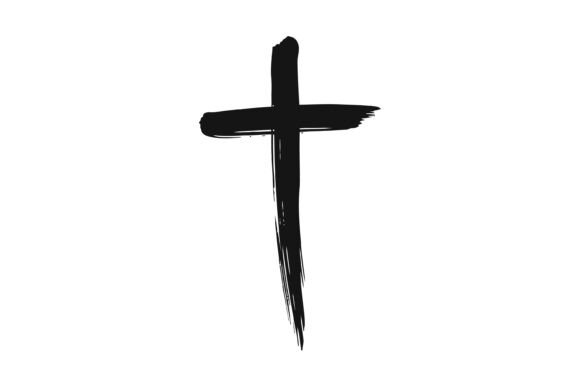
As a designer who has spent countless hours digitizing and stitching out everything from dense floral motifs to complex logos, I have learned to appreciate the quiet power of minimalism. When I first opened the Brush Stroke Cross Minimal Design, my initial reaction was one of relief. In an industry often cluttered with over-digitized, thread-heavy files, this graphic offers a breath of fresh air. It is not just a religious symbol; it is a study in texture and negative space, translated into a format that respects the limitations and beauty of the embroidery machine.
This review comes from the perspective of someone who intends to use this asset in real-world commercial and personal projects. I am not looking at it merely as a digital file on a screen, but as a finished product on a tote bag, a sweatshirt, or a nursery pillow. Here is how this design holds up under practical scrutiny.
The Aesthetic: Faith Meets Modern Texture
The core appeal of the Brush Stroke Cross Minimal Design lies in its execution. The "brush stroke" effect mimics the organic imperfection of hand-painted art, which is notoriously difficult to replicate in embroidery without looking messy. However, the clean lines and intentional gaps in this design suggest a thoughtful approach to digitizing. The mood is spiritual yet contemporary, moving away from traditional, ornate crosses toward something that fits seamlessly into modern home decor and casual apparel.
For Etsy sellers and small shop owners, this aesthetic is crucial. Today’s buyers often seek items that feel handmade but look curated. This design bridges that gap. It does not scream "religious merchandise" in a dated way; instead, it whispers faith through style. This subtlety makes it versatile for a wider audience, including those who appreciate minimalist art regardless of their specific religious affiliation.
Real-World Application: From Screen to Stitch
To truly evaluate a machine embroidery design, you must imagine it on fabric. I visualized this cross on a few different canvases to test its versatility.
- Tote Bag Design: On a natural cotton canvas tote, the black brush strokes would pop beautifully against the neutral background. The minimal nature of the design means it won’t weigh down the fabric or cause excessive puckering, a common issue with larger, denser graphics.
- Sweatshirt Embroidery: Placed on the left chest of a heather grey crewneck, this design acts as a sophisticated brand mark or personal statement. Unlike large back prints, this small, impactful graphic maintains the garment's comfort while adding value.
- Baby Embroidery: For a baby blanket or onesie, the simplicity is a safety and comfort plus. Fewer stitches mean less bulk against sensitive skin. However, scale is key here; it must be resized appropriately to remain legible without becoming too dense for soft knits.
The provided formats—SVG, PDF, JPEG, PNG Transparent, and EPS Editable file—suggest that this asset is not limited to embroidery alone. While my focus is on stitching, having vector files like SVG and EPS allows for hybrid products. You could use the embroidery for a textured patch and the vector file for a matching printed tag or packaging, creating a cohesive brand experience for your craft business.
Technical Considerations for the Embroiderer
While the design is minimal, that does not mean it is foolproof. Minimalist designs often rely on precise stitch placement because there is no dense fill to hide errors. Here are my technical notes for working with this embroidery file:
Stitch Density and Type: Given the brush stroke aesthetic, I anticipate a mix of running stitch for the thinner tails and potentially a light satin stitch or narrow fill stitch for the thicker parts of the cross. It is vital to check the stitch density in your editing software. If the density is too high on thin fabric, you risk perforation. If it is too low on thick fabric, the backing might show through. Always run a test stitch-out on scrap fabric similar to your final material.
Fabric Texture and Contrast: This design relies heavily on contrast. It will look sharpest on smooth, tightly woven fabrics like cotton twill, linen, or high-quality jersey. On highly textured fabrics like terry cloth or fuzzy fleece, the fine details of the brush strokes might get lost. For dark fabrics, ensure you are using a high-sheen polyester or rayon thread to maximize visibility. A matte cotton thread might blend in too much, reducing the visual impact.
Hoop Size and Placement: Because this is a minimal design, it likely fits well in smaller hoops, such as 4x4 or 5x7 inches. This makes it ideal for embroidered patches, cap fronts, or pocket accents. However, if you plan to enlarge it significantly for a pillow cover or wall hanging, inspect the file for pixelation or jagged edges in the preview. Vector formats (SVG/EPS) will scale infinitely, but the embroidery file itself has fixed dimensions. Check the maximum recommended size before committing to a large project.
Commercial Viability and Brand Trust
For the Etsy seller or boutique owner, the perceived value of a product is tied to its presentation. A clean, well-digitized design like this enhances professionalism. It signals to the customer that the maker cares about quality. When used in commercial embroidery projects, such as uniform branding for a church bookstore or custom gifts for a wedding party, the design’s neutrality is an asset. It feels premium rather than promotional.
Moreover, the inclusion of transparent PNGs and editable vectors adds value to your digital embroidery file package if you are reselling or using it for mockups. You can create realistic printable mockup images for your online store without needing to stitch every single color variation. This saves time and helps customers visualize the finished product on different colored garments.
Practical Tips for Best Results
- Stabilizer Selection: Even with a minimal design, proper stabilization is non-negotiable. Use a cut-away stabilizer for stretchy knits like t-shirts to prevent distortion after washing. For woven totes, a tear-away may suffice, but hooping firmly is essential to keep the brush strokes straight.
- Thread Choice: To mimic the paint-like quality, consider using a slightly heavier weight thread or a variegated thread that shifts subtly in tone. This can enhance the "brushed" look, adding depth to the black color.
- Licensing Check: Before selling items made with this design, confirm the license terms. While many designers allow commercial use for physical items, restrictions may apply to digital resale. Ensure you are compliant to protect your small shop product line.
- Test Wash: Always wash and dry your test piece. Minimal designs can sometimes shift if the fabric shrinks differently than the thread. Confirming durability ensures your personalized gift or customer order lasts.
In conclusion, the Brush Stroke Cross Minimal Design is a strong contender for any designer’s library. It balances artistic intent with technical practicality. It is not just a graphic; it is a versatile tool for creating meaningful, high-quality handmade products. Whether you are decorating custom apparel, creating holiday embroidery gifts, or building a catalog of design assets, this file offers the clarity and elegance needed to stand out in a crowded market. Just remember to respect the fabric, check your tension, and let the simplicity of the design do the heavy lifting.